5.ELB & ASG -Load balancing & scaling group
Scalability means that an application / system can handle greater loads
by adapting.
• There are two kinds of scalability:
• Vertical Scalability
• Horizontal Scalability (= elasticity)
Vertical scalability is very common for non distributed systems, such as a database
Horizontal scaling implies distributed systems.
High Availability
High availability means running your application / system in at least 2 Availability Zones
High Availability: Run instances for the same application across multi AZ
• Auto Scaling Group multi AZ
• Load Balancer multi AZ
Scalability vs Elasticity (vs Agility)
• Scalability: ability to accommodate a larger load by making the hardware
stronger (scale up), or by adding nodes (scale out)
• Elasticity: once a system is scalable, elasticity means that there will be
some “auto-scaling” so that the system can scale based on the load. This
is “cloud-friendly”: pay-per-use, match demand, optimize costs
• Agility: (not related to scalability – distractor) new IT resources are only
a click away, which means that you reduce the time to make those
resources available to your developers from weeks to just minutes.
What is load balancing?
Load balancers are servers that forward internet traffic to multiple
servers (EC2 Instances) downstream.
Why use a load balancer?
• Spread load across multiple downstream instances
• Expose a single point of access (DNS) to your application
• Seamlessly handle failures of downstream instances
• Do regular health checks to your instances
• Provide SSL termination (HTTPS) for your websites
• High availability across zones
Why use an Elastic Load Balancer?
An ELB (Elastic Load Balancer) is a managed load balancer
• AWS guarantees that it will be working
• AWS takes care of upgrades, maintenance, high availability
• AWS provides only a few configuration knobs
3 kinds of load balancers offered by AWS:
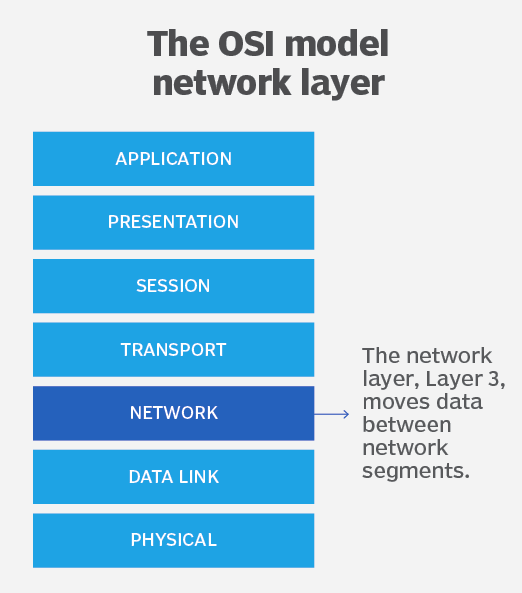
• Application Load Balancer (HTTP / HTTPS only) – Layer 7
• Network Load Balancer (ultra-high performance, allows for TCP) – Layer 4
• Classic Load Balancer (slowly retiring) – Layer 4 &
What’s an Auto Scaling Group?
The goal of an Auto Scaling Group (ASG) is to:
- Scale out (add EC2 instances) to match an increased load
- Scale in (remove EC2 instances) to match a decreased load
- Ensure we have a minimum and a maximum number of machines running
- Automatically register new instances to a load balancer
- Replace unhealthy instances
Cost Savings: only run at an optimal capacity (principle of the cloud)
Auto Scaling Groups – Scaling Strategies
- Manual Scaling: Update the size of an ASG manually
- Dynamic Scaling: Respond to changing demand
- Simple / Step Scaling
- When a CloudWatch alarm is triggered (example CPU > 70%), then add 2 units
- When a CloudWatch alarm is triggered (example CPU < 30%), then remove 1
- Simple / Step Scaling
- Target Tracking Scaling
- example: I want the average ASG CPU to stay at around 40%
- Scheduled Scaling
- Anticipate a scaling based on known usage patterns
- Example: increase the min. capacity to 10 at 5 pm on Fridays
- Predictive Scaling ses Machine Learning to predict future traffic ahead of time
- Automatically provisions the right number of EC2 instances in advance
- Useful when your load has predictable timebased patterns

 Techglot